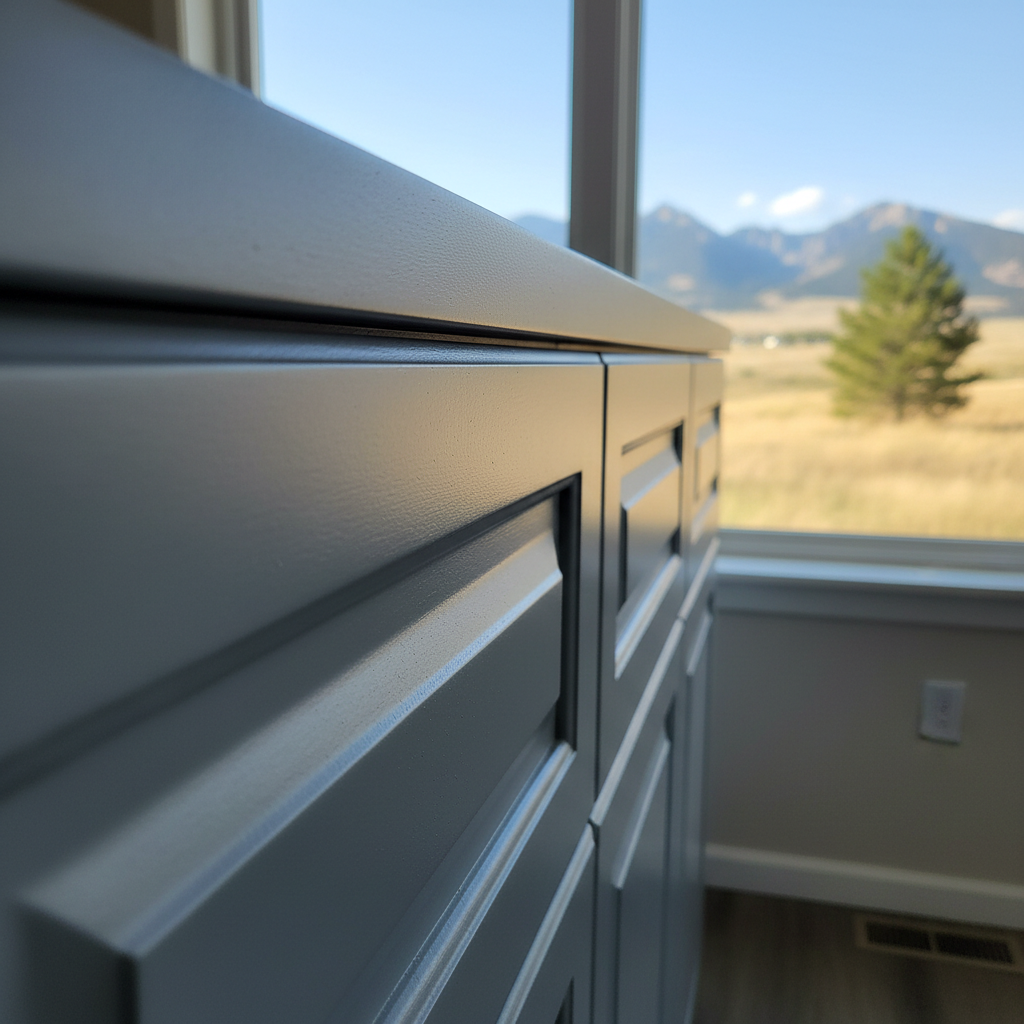
Thinking About Painting Your Kitchen Cabinets?
So, you're staring at those kitchen cabinets and thinking, "I could totally paint those myself." Honestly, I hear that a lot. And you know what? For some folks, it's a perfectly doable project. But for others, it's a recipe for pure frustration and, let's be real, a call to us later to fix things up. Let's talk about what you can realistically tackle on your own and when it's just smarter to bring in a pro.
Before You Even Think About a Paintbrush
First things first, you've gotta be brutally honest with yourself about two things: your patience level and your expectations. Painting cabinets isn't anything like painting a wall. It's detailed, it's time-consuming, and if you rush it, well, it'll show. You're looking at a multi-day project, even for a small kitchen, because of all the drying times between coats.
You also need the right space. You can't just paint these things in your living room, can you? You need a clean, dust-free area, preferably with good ventilation, where you can lay out all your doors and drawer fronts. A garage works, but you'll need to keep the dust down. And remember, Great Falls weather can be tricky. If it's too cold or too humid, your paint won't cure right. Trying to paint cabinets when it's 20 degrees outside and your garage isn't heated? Forget about it. You'll have issues with adhesion and drying, trust me.
What You Can (Probably) Do Yourself
Alright, let's say you've got the patience, the space, and the right weather. Here's where you can save some money and get your hands dirty:
- Cleaning: This is non-negotiable and something every homeowner can do. Kitchen cabinets get greasy. You need to clean them thoroughly with a good degreaser. I'm talking elbow grease until they squeak. Any grease left behind means your paint just won't stick.
- Sanding (Lightly): After cleaning, a light sanding is crucial for adhesion. Use 180-220 grit sandpaper. You're not trying to strip them down to bare wood, just scuff the surface to give the primer something to grab onto. Don't skip this step.
- Removing Hardware: Take off all hinges, pulls, and knobs. Label everything! Put screws in baggies and label them for each door. Trust me, you'll thank yourself later.
- Taping and Masking: Protecting your countertops, appliances, and floors is critical. Good quality painter's tape and plastic sheeting will save you a lot of cleanup headaches.
- Priming: A good quality bonding primer is your best friend. This is where many DIYers go wrong, picking the wrong primer or skipping it altogether. Don't. Apply thin, even coats.
For these steps, you don't need specialized tools, just attention to detail and patience. You can absolutely nail these parts and set yourself up for success.
When to Call a Pro (Seriously)
Now, here's where things get tricky, and where a lot of homeowners realize they're in over their heads. This is where folks like us at Great Falls Painting Company really shine:
- Spraying vs. Brushing/Rolling: If you want that factory-smooth finish, you need to spray. Achieving a truly smooth, brush-stroke-free finish with a brush and roller is incredibly difficult, especially with modern cabinet paints that dry fast. Professional painters use HVLP (High Volume Low Pressure) sprayers, which require skill, practice, and the right setup to avoid drips, runs, and uneven application. If you're brushing, you'll see brush marks. Period. If you're okay with that look, great. If not, call us.
- Dealing with Difficult Surfaces: Laminate, thermofoil, or previously poorly painted cabinets? These require specific primers and techniques that aren't always obvious. Trying to paint over peeling thermofoil without proper prep is just asking for trouble.
- Repairing Damage: Dents, dings, deep scratches, or water damage? A pro knows how to properly fill, sand, and blend these repairs so they disappear under the new paint.
- Time Constraints: If you need your kitchen back in working order quickly, or you simply don't have weeks to dedicate to this project, a professional team can get it done efficiently and with minimal disruption.
- Durability: We use higher-grade, more durable paints and clear coats than what's typically available off the shelf for DIYers. These are designed to stand up to the daily abuse kitchen cabinets take. That means your finish will last longer and look better for years.
Look, I'm all for homeowners tackling projects they feel comfortable with. It's satisfying. But cabinet painting has a steep learning curve if you want a truly professional result. If you're aiming for a flawless, durable, factory-like finish, or if your cabinets are in rough shape, save yourself the headache and give us a call. We've painted enough cabinets in homes from the Black Eagle area to the west side of town to know what it takes to get it right the first time.
After the Paint Dries
Whether you DIY or hire us, the aftercare is similar. Be gentle with your freshly painted cabinets for the first few weeks. Paint takes time to fully cure, even if it feels dry to the touch. Avoid harsh cleaners, wipe up spills quickly, and don't slam those doors. Treat them well, and they'll look great for years to come.