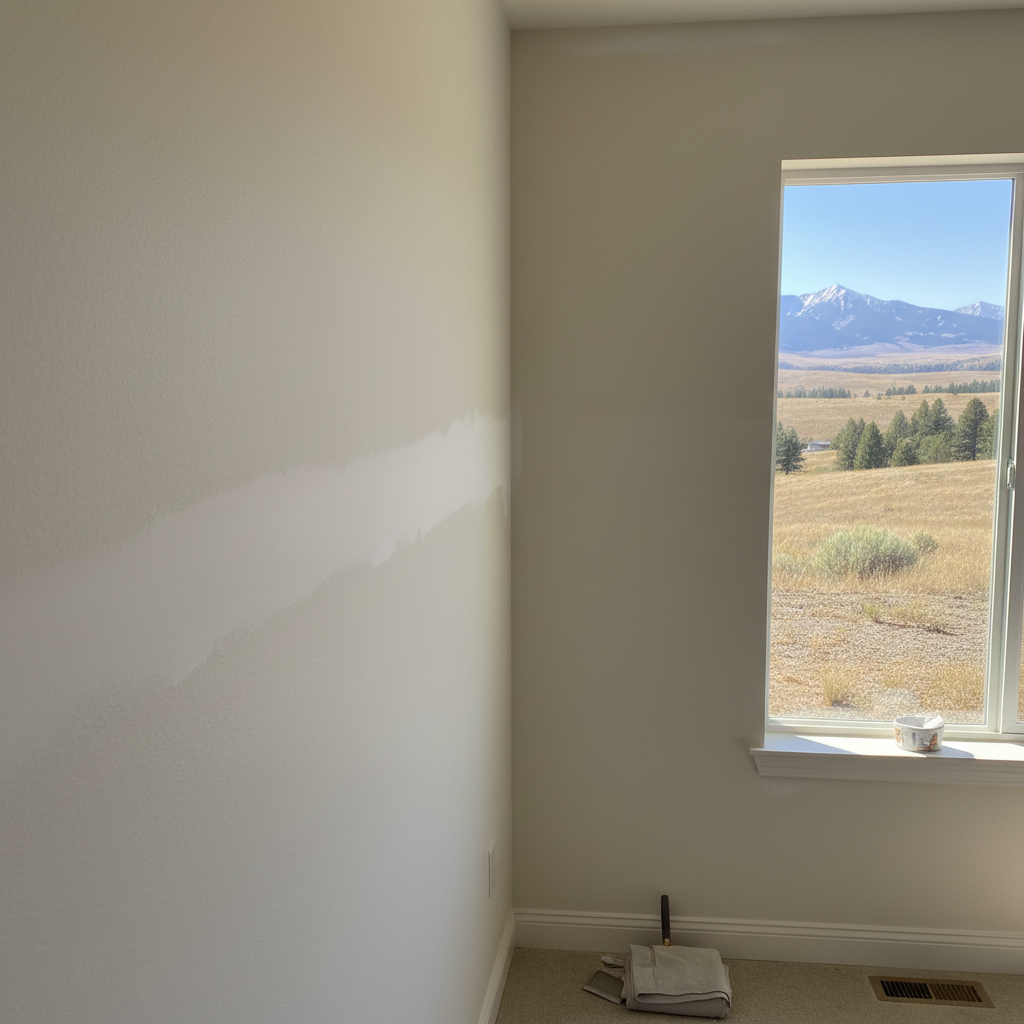
What kind of drywall damage can you fix?
Honestly, we've seen it all. From tiny nail pops and screw holes to bigger stuff like holes from doorknobs, furniture dings, or even those unfortunate incidents where someone put their foot through the wall. Water damage is another big one, especially if a pipe burst or a roof leaked. We can patch stress cracks, settle cracks, and even repair textured walls so they blend right in. The main thing is, if your drywall is messed up, we can usually make it look like new again. The only time it gets tricky is if there's a structural problem causing the damage, like a shifting foundation. That's a bigger issue than just drywall, and you'd need to address that first, wouldn't you?
How long does drywall repair take?
That really depends on the size and type of damage. A small nail hole or a minor crack? We can often get that patched, textured, and ready for paint in a single visit, sometimes just a few hours. Bigger holes or water damage, especially if it's a larger area, will take longer. You're looking at multiple steps: cutting out the damaged section, installing new drywall, taping, mudding, sanding (often multiple coats and sanding sessions), and then matching any texture. Each mud coat needs to dry thoroughly, and that can take several hours, sometimes overnight, depending on humidity. So, for a larger repair, plan on two to three days, sometimes more, for everything to be done right and fully cured before painting. We don't rush the drying process; that's how you get cracks showing up later, and nobody wants that.
Will the repaired spot match my existing wall texture and paint color?
Matching texture is an art, not a science, but we're pretty darn good at it. Most homes in Great Falls have some form of orange peel or knockdown texture. We use specialized tools and techniques to replicate the existing texture as closely as possible. It takes a skilled hand, but the goal is always for the repair to just disappear. As for paint color, that's where things get a little trickier. If your existing paint is old, faded by sunlight, or has yellowed over time, a fresh patch of the exact same paint color might still stand out. That's because the new paint hasn't had time to age. For the best blend, especially on larger repairs or if the wall hasn't been painted in years, we often recommend painting the entire wall, or even the whole room. It ensures a uniform finish and color match that you just can't always get with spot-painting.
Can I just paint over a water stain?
Absolutely not. That's a common mistake folks make. If you just paint over a water stain, it'll bleed right through your new paint, sometimes even after a couple of coats. The first step for any water stain is to make sure the source of the water is fixed. No point in repairing if it's just going to get wet again. Once it's dry and the leak is fixed, you need to apply a good quality stain-blocking primer. We use oil-based or shellac-based primers for the toughest stains. These primers seal off the stain so it won't wick through your topcoat. After the primer dries, then you can paint over it with your chosen color. Don't skip the primer; it's a critical step for a lasting finish, trust us.
Do I need to do anything to prepare the room before you start?
It's always a big help if you can clear the area around the repair. Move furniture away from the walls, take down any pictures or wall hangings, and remove anything delicate from shelves or nearby surfaces. Drywall work, especially sanding, creates a lot of fine dust. While we do our best to contain it with plastic sheeting and drop cloths, some dust is inevitable. If you have pets, it's a good idea to keep them out of the work area for their safety and to keep them from tracking dust around. We'll handle the rest of the protection, like covering floors and larger furniture. The less we have to move, the faster we can get to work and the less time it takes overall.
Why do I keep getting cracks in my drywall?
Cracks can be frustrating, and they pop up for a few reasons. Sometimes it's just normal house settling. Every house, especially older ones like you find in the Northside or even newer builds on expansive clay soils, will settle a bit over time, and that can cause hairline cracks around doorframes or windows. Extreme temperature swings, which we definitely get here in Great Falls, can also cause materials to expand and contract, leading to stress cracks. Poor drywall installation, like not using enough screws or improper taping, can also be a culprit. If the cracks are recurring in the same spot, or if they're wide, jagged, or accompanied by doors sticking, it might indicate a more serious structural issue. In those cases, we'd recommend having a structural engineer take a look before we do any repairs, because just patching it won't solve the underlying problem.
How much does drywall repair and painting cost?
This is the question everyone asks, and it's tough to give a one-size-fits-all answer without seeing the damage. A small patch job might be a couple hundred bucks, but a larger area with extensive water damage, texture matching, and then painting multiple walls could easily run into the high hundreds or even over a thousand. Factors include the size of the repair, the complexity of the texture match, whether we're just patching or painting the whole wall/room, and how much prep work is involved. We always provide a detailed, upfront estimate after we've had a chance to look at the specific job. At Great Falls Painting Company, we believe in transparency, so you'll know exactly what you're paying for before we even lift a brush. We aim for fair pricing that reflects quality work and materials, not just the cheapest bid.
When should I call a professional instead of doing it myself?
Look, for a tiny nail hole, a little spackle and touch-up paint is probably fine for a DIY. But for anything larger than your hand, or if you're dealing with water damage, texture matching, or cracks that keep coming back, that's when you really should call in the pros. Drywall repair and painting isn't just about slapping some mud on a wall. It requires specific tools, techniques, and experience to get a smooth, seamless finish that you won't notice later. If you don't do it right, you'll end up with a noticeable patch, or worse, the repair fails, and you have to do it all over again. You'll save yourself a lot of frustration, time, and potentially more money in the long run by letting someone who does this every day handle it. We've got the skills and the right materials to make sure it's done once and done correctly.